
#28
At the end of the day, we're all online anyways

Heyyy hotties! I love to see new eyes on my words after my last post. I could not be more glad to have your minds here and ready to offer insight. In this post, I give a brief follow-up on my last post on active vs. passive consumption and then dive into the discourse on perceived generational divides perpetuated by the internet. As always, this is to spark thoughts and conversation, so please let me know what comes up!!
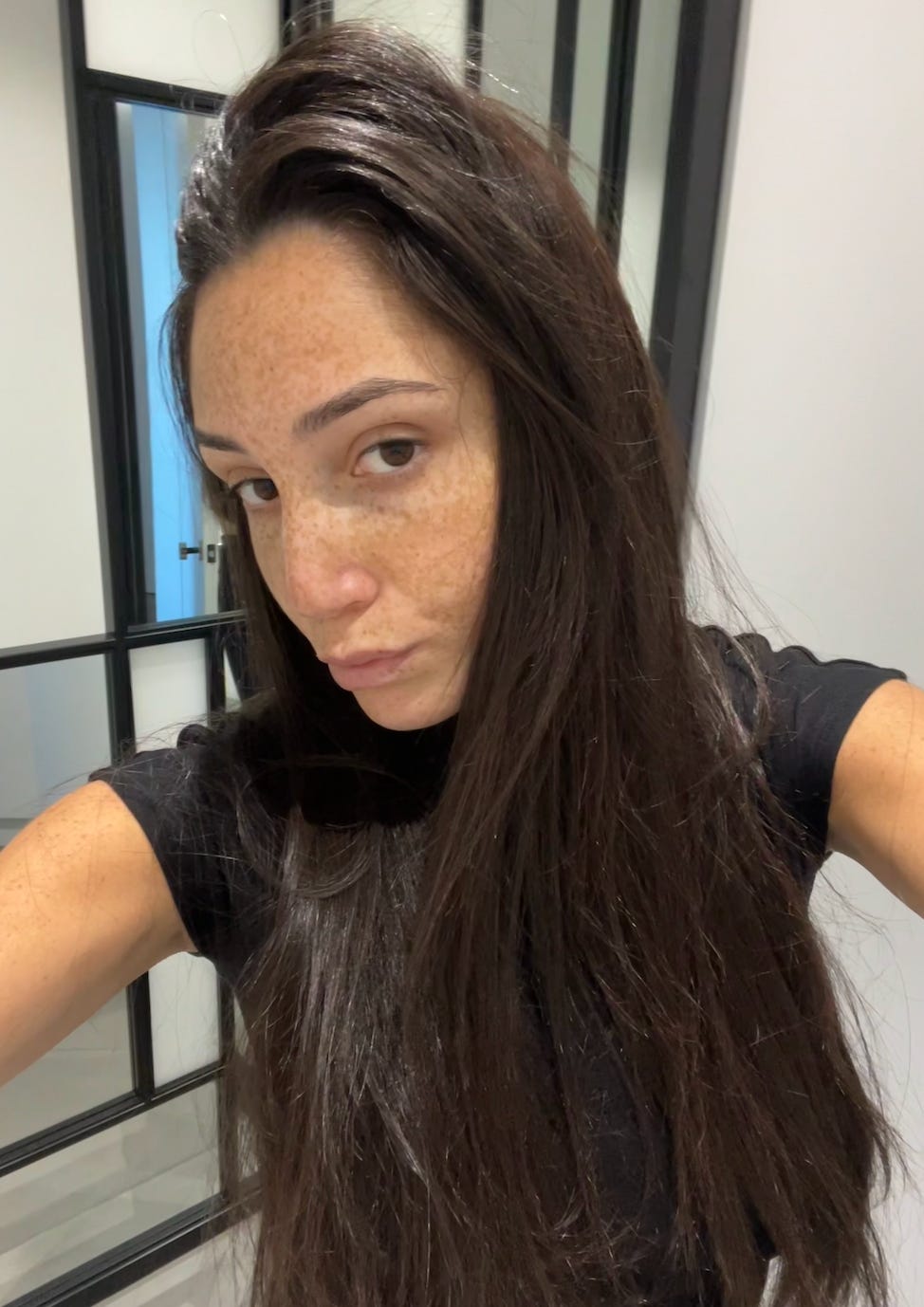
But first, a moment for the best eyebrow shaping I’ve ever received:
An update on my speculations presented in my last post about apps that promote participation over consumption:
The majority of people I talked to agreed that while they wish they could spend more time on different apps that have the potential to facilitate “positive” engagement and creativity, it is hard to stay committed. Instead, as we would all assume, as victims of big social media (LOL), it is much easier to mindlessly open Instagram, TikTok, etc., almost subconsciously fill a need to distract and scroll. This probably seems obvious, but it fuels my curiosity as to how we can put that attention and time that draws us to mindless consumption towards an app that at least attempts to get us to be a bit more “productive” (I hate that word but can’t really think of a better way to describe).
Overall, I think that when we’re looking to go onto a consumer app, it is usually led with more intention to post and engage in some way. For example, when someone opens up Beli, they are more likely to do so with the intention or even acknowledgment that they will leave by providing some insight or gaining from others. Not to say it's every time, but you get the gist of what I’m expressing. I think a lot of that has to do with the niche group an app targets, and for now, people are more drawn to an app that overtly provides something to the user rather than something that more broadly but discreetly promotes creativity in a way- Substack could be argued as this, but I think it also hits the niche of engaged readers and writers.
I want to discuss the perceived differences between generations and the variety of communication and connections practiced by each group. It is important to highlight that I am more interested in how we perceive and create personal assumptions and feed off other commentary when thinking about generation groups. My interest in this matter has grown since I have had the unique experience of working as a Gen Z woman with a target demographic of Gen Alpha girls and millennial parents. And, of course, especially for my generation and those few above, most of our perceptions and opinions are shaped by what we consume online. I am most fascinated with our online experiences as a medium to shape and perpetuate these formed opinions.
I’m almost certain you have a few descriptors or associative words at the front of your mind when I say Gen Alpha, Gen Z, and Millenial. From what I’ve broadly gathered from my time online, Gen Z moves at their own pace and is often deemed unprofessional and too online by other groups. Millennials fit more tightly into a mold of behaviors and are ironically very online but critical of how Gen Z and Alpha take up digital space. Gen Alpha is the emerging group that most are afraid to admit has truly inhabited space online. We’re ironically critical of their online presence but, at the same time, refuse to fully acknowledge their inhabitance in a way that needs to be properly nurtured. We make memes about young girls and their makeup tutorials but refuse to consider them in the dialogue for the future of the internet and the way they consume the same existing content as we do. Ultimately, it is very important to recognize that they will become the most prominent target of it all.
I could go on forever about the discrediting of each younger generation by those before them, but I can save that for those who are ready for me to run my mouth in circles. But the internet has also given us a unique opportunity to connect and learn from those older and younger than us. Although our algorithms are tailored and adjusted through each scroll, we have the chance to communicate and engage cross-generationally. This opens doors for personal perception development and shows how brands can work to understand their consumers and those to come better.
For now, I want to share with you some of the insight provided by some friends (and readers) when I asked them this vague question: Do you think that there is a distinguishable generational difference between millennials and Gen Z vs millennials and older generations due to online culture etc?
The responses were fruitful, and my thoughts expanded with each word. I loved the conversations they opened. I have pulled some quotes and hope they get you thinking as well:
“Yes, I believe the generational differences have been magnified by online culture, particularly through the proliferation of memes highlighting these disparities. I’m a millennial, born in 1990. In terms of generational differences between millennial and older gen’s, I can remember that I started to become more aware of generational differences when the term "okay boomer" gained popularity. This prompted me to examine the distinctions between my generation and older ones more closely.
Online culture has simplified our understanding of generational differences, but it has also created a more pronounced divide. This has led to some anxiety about being labeled as "so millennial," which often carries negative connotations.
It has almost forced this to take shape with other generations and I see more generational content online than I had in the past. The online positioning of generational differences through memes, reels, and videos has further solidified these boundaries. While this can help people relate to different generations, it also risks putting them in metaphorical boxes, making cross-generational interactions feel more challenging. It's a double-edged sword: it facilitates understanding but may also create artificial barriers between generations.”
“When I see Gen Alpha posts on Tiktok I feel concerned and so far removed from their online culture because it is so different than what social media was when I was that age - i.e. sephora middle schoolers
It makes me worried that Gen Z and I guess Millennial participation w social media has just escalated it for them? I wonder what it is like to be a tween right now - I know so different than when I was.”
“I think the information and trends consumed are different, which then impact what the gens think about/ discuss. I also think the more time individuals spend on social media (which I assume is fairly different across generations on average) impacts their attention span.”
“I think millennials and gen z are much more similar and understand each other better because of social media. Social media gives me relatable things that build connection with people in their 30s (coworkers, extended family, etc). It makes it much easier to be on the same page and connect in person I think.”
Thank you to all of the bright minds who gave me their thoughts, and I would love to hear from the rest of you! I'm obsessed with this new ad from the NHL addressing the Gen Z stereotype. There is nothing like literal athletes to put keyboard warriors in their place:
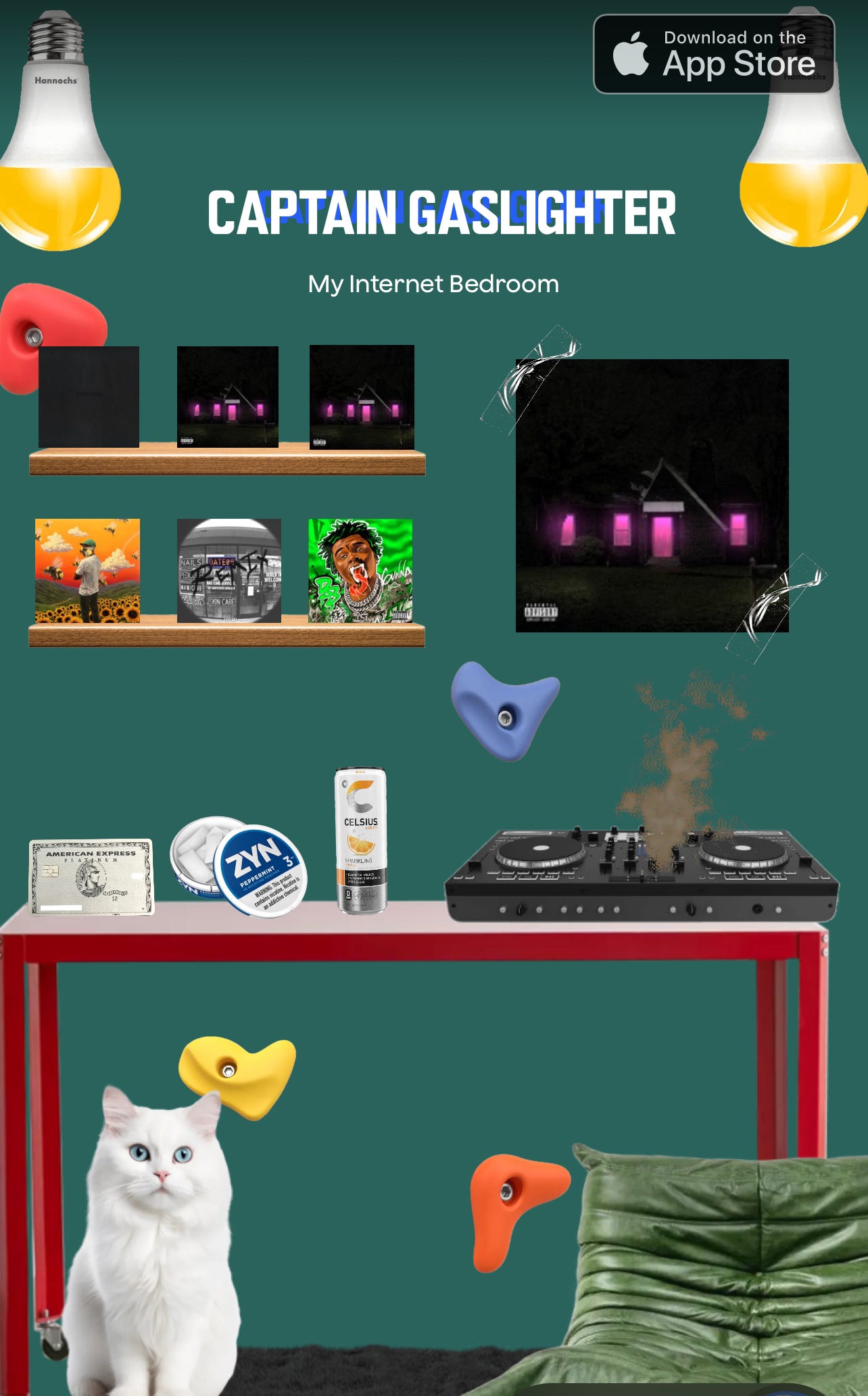
I am terrified that my internet bedroom reflects a teenage boy. LMK what yours is.
Also need to know the eyebrow place asap
BIG SOCIAL MEDIA!!!